
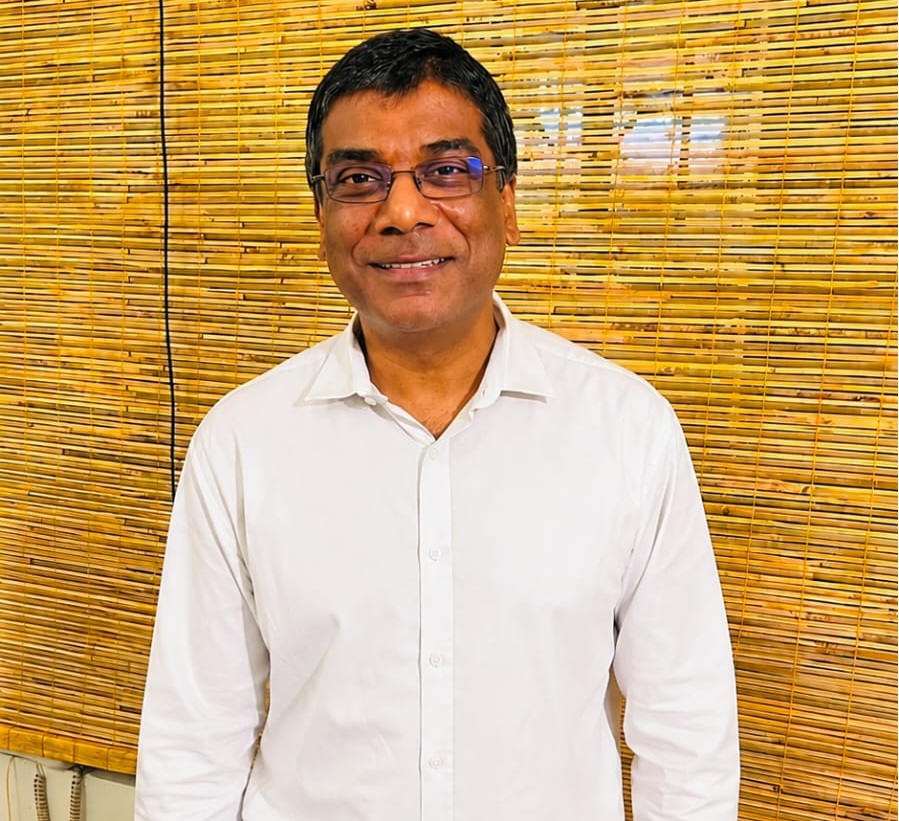
By Nomal Wijeyaratne, Founder and Chairman, Quantum Fitness
After 28 years in Sri Lanka’s fitness industry, I believe we should be asking a fundamental question: why are we still not moving enough?
When I entered the industry in 1998, gyms were relatively few and exercise was largely associated with bodybuilding, sport or appearance. Today, specialist gyms, personal trainers, boutique studios, digital coaching and sophisticated home equipment have transformed the landscape.
Yet greater access has not necessarily made us a more active nation.
Sri Lanka’s Ministry of Health reported physical inactivity at 31.01% in 2021. The challenge for our industry is therefore no longer simply providing places to exercise. It is removing the barriers that prevent people from exercising consistently.
Home fitness illustrates this shift. A treadmill can eliminate commuting, weather and scheduling as obstacles. Modern treadmills also demonstrate how technology can make exercise more adaptable. Incline training, for instance, allows people to increase cardiovascular intensity and engage the glutes, hamstrings and calves without necessarily increasing walking or running speed.
That matters because fitness needs to accommodate real lives.
Not everyone has an hour to spend at a gym. Not everyone wants to run. For some, a brisk walk at home, combined with an incline or structured programme, may be a more realistic starting point.
The industry therefore needs to move beyond selling workouts and start enabling sustainable movement.
Fitness is not simply about six-pack abs or losing weight for an occasion. Regular physical activity contributes to cardiovascular health, strength, mobility, mental wellbeing and healthy ageing.
The workplace also matters. As professional life becomes increasingly sedentary, employers have an opportunity to make movement part of workplace culture rather than treating wellbeing as an occasional perk.
We need to make fitness less intimidating, more flexible and more inclusive across ages, abilities and income levels.
A walk counts. Taking the stairs counts. Playing with your children counts. Cycling, stretching between meetings or following a structured workout at home all count.
After nearly three decades, I have watched fitness evolve from a niche pursuit into a recognised part of the wellness conversation.
The next evolution should be about something much bigger than equipment, gyms or the latest workout trend.
It should be about making movement normal.
The real measure of our progress will be how many more Sri Lankans we help move consistently and sustainably throughout their lives.
That is the fitness industry I believe we should be building for the next 28 years.